
Ledger®® Live: Desktop® — Getting Started | official Ledger™
Ledger Live Desktop helps users understand desktop crypto management, including hardware wallet connectivity, account access, portfolio visibility, application installation, and transaction workflows.
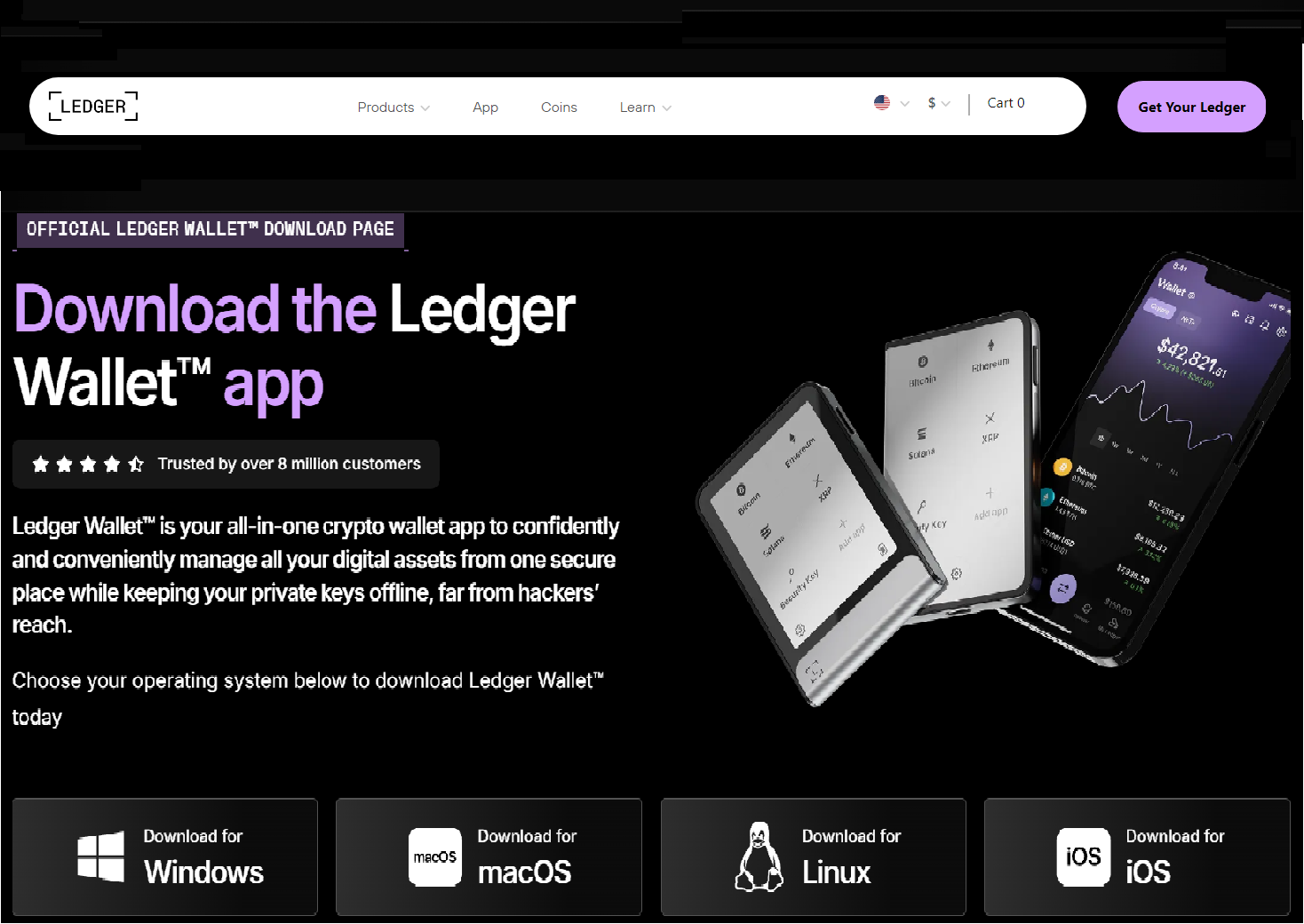
Ledger Live Desktop: A Practical Guide to Ledger Wallet Management
Ledger Live Desktop is a commonly searched name for the desktop wallet experience used with Ledger hardware wallets. It gives users a computer-based interface for viewing supported cryptocurrency accounts, monitoring balances, managing wallet applications, and reviewing transactions.
Ledger now refers to its companion application as Ledger Wallet, while many users still search for the familiar terms Ledger Live Desktop and Ledger Live App. Understanding both names can make it easier to find the appropriate current Ledger resources.
What Is Ledger Live Desktop?
Ledger Live Desktop describes the desktop environment for interacting with a compatible Ledger hardware wallet.
The software provides the interface, while the physical Ledger device plays an important role in protecting private keys and approving sensitive operations. This means the desktop application and hardware wallet are designed to work together rather than independently.
Users can use the desktop interface to organize accounts, check supported assets, review transaction history, and access available wallet-management features.
Getting Started With Ledger Live Desktop
Before installing the software, verify that you are accessing a legitimate Ledger source.
Download the current Ledger Wallet software appropriate for your operating system and follow the official installation instructions. Avoid downloading wallet software from third-party websites, unofficial repositories, or unexpected links.
Once installed, open the application and connect your Ledger hardware wallet.
Connect Your Ledger Device
Connect your Ledger device using a compatible cable or supported connection method.
The Ledger Wallet application can guide you through the connection and setup process. Depending on your device, you may need to complete firmware installation, device verification, PIN configuration, or wallet initialization.
When the physical device asks you to confirm an action, carefully check the information before approving it.
Ledger Live Desktop and Ledger Wallet
The name Ledger Live remains familiar to many cryptocurrency users, but Ledger's current application branding uses Ledger Wallet.
Therefore, searches for:
Ledger Live Desktop
Ledger Live App
Ledger Wallet
Ledger Wallet App
can refer to related parts of the same Ledger software ecosystem.
The desktop application remains useful for users who prefer managing their cryptocurrency accounts from a computer.
Managing Cryptocurrency Accounts
After the Ledger hardware wallet has been initialized, supported accounts can be added through the Ledger Wallet software.
Depending on the cryptocurrency, you may need to install the relevant application on your Ledger device first. Once the required application is available, follow the software instructions to add the account.
Account availability depends on the cryptocurrency, Ledger device, platform, and current software support.
Monitor Your Crypto Portfolio
A desktop wallet interface can make it easier to review multiple cryptocurrency accounts in one place.
Ledger Wallet can display supported account balances and transaction information, helping users keep track of their portfolio activity.
The available portfolio features may vary depending on the assets and services connected to the wallet.
For accurate information, users should check the current Ledger documentation for supported cryptocurrencies and features.
Sending Crypto From Ledger Live Desktop
When sending cryptocurrency, use the desktop application to enter the required transaction information.
Before approving the transfer, carefully verify:
The cryptocurrency being sent.
The destination address.
The selected network.
The amount.
The applicable transaction information or fees.
After entering the details, review the information displayed on the physical Ledger device before authorizing the transaction.
If the information shown on the device does not match your intended transaction, do not approve it.
Receiving Cryptocurrency With Ledger Wallet
Ledger Wallet can also help users receive supported cryptocurrencies.
Choose the correct account and verify the receiving address before sharing it. For important transfers, carefully check the asset and network in addition to the address.
Cryptocurrency transactions can be difficult to reverse, making address and network verification an important part of the process.
Why the Hardware Wallet Matters
Ledger Live Desktop is the software interface, but the Ledger hardware wallet remains an important security component.
The hardware device is designed to keep private keys protected and can require physical confirmation for sensitive operations.
This means that having the desktop application installed does not replace the need for the physical Ledger device.
The software helps you manage your accounts; the hardware provides an additional layer of protection and transaction authorization.
Protect Your Ledger Recovery Information
During wallet setup, follow the instructions provided by your Ledger device for creating and recording your recovery information.
Store the recovery phrase securely and offline. Never share it with another person.
Do not enter your recovery phrase into a website, email, online form, social media message, or unexpected desktop application.
A request for recovery information during a supposed Ledger login or wallet verification should be treated with extreme caution.
Ledger Live Login and Desktop Access
Many users search for “Ledger Live login” when trying to access their wallet.
However, a Ledger hardware wallet does not function like a standard website account where users simply enter a username and password.
The Ledger Wallet application works together with the physical device. Depending on the action, the hardware wallet may need to be connected and unlocked.
If a website asks you to provide your recovery phrase to complete a Ledger Live login, synchronization, or security check, do not provide it.
Avoid Unofficial Ledger Downloads
Search engines can sometimes display unofficial pages alongside legitimate wallet resources.
A fake Ledger Live Desktop installer may look similar to the genuine application while attempting to collect confidential information.
Always verify the source before downloading wallet software. Avoid software supplied through unsolicited emails, social media messages, pop-ups, or unknown websites.
When in doubt, navigate directly to Ledger's official website instead of following an unfamiliar download link.
Keep Ledger Software Updated
Keeping wallet software current can help maintain compatibility with supported devices and assets.
When Ledger Wallet provides an update, use the application's normal update process or official Ledger documentation.
Firmware updates should also be performed according to the instructions applicable to your specific Ledger device.
Never install firmware or wallet updates from unknown sources.
Ledger Live Desktop Security Checklist
For safer desktop wallet management:
Use legitimate Ledger software.
Keep your Ledger device physically secure.
Protect your PIN.
Keep your recovery phrase offline.
Never share recovery information.
Check addresses before approving transactions.
Review transaction details on the physical device.
Be cautious of unexpected Ledger support messages.
Do not provide remote access to your computer to an unverified wallet-support service.
Use official sources for software and firmware updates.
These practices can help users avoid many common cryptocurrency-security risks.
Ledger Live Desktop for Everyday Management
Once the initial configuration is complete, Ledger Live Desktop can provide a convenient workspace for managing supported accounts.
Users can monitor portfolio information, review transaction activity, organize accounts, and access available cryptocurrency-management features from their computer.
The physical Ledger device remains involved whenever an operation requires hardware confirmation.
Final Thoughts on Ledger Live Desktop
Ledger Live Desktop remains a widely searched term for Ledger's desktop wallet-management experience. The current application is called Ledger Wallet, formerly known as Ledger Live, but the familiar Ledger Live terminology remains relevant when users search for setup and desktop-management information.
The desktop application provides the interface for managing supported cryptocurrency accounts, while the Ledger hardware wallet helps protect private keys and authorize sensitive transactions.
For a secure experience, obtain the software from a legitimate Ledger source, keep your recovery information private, verify transaction details on the physical device, and remain cautious of fake login pages and unofficial wallet downloads.
Updated about 8 hours ago