
Ledger® Live Wallet— Getting Started™ | official Ledger™ Live App
Ledger Live wallet helps users understand digital asset management, including hardware wallet connectivity, account organization, portfolio tracking, application management, and transaction workflows.
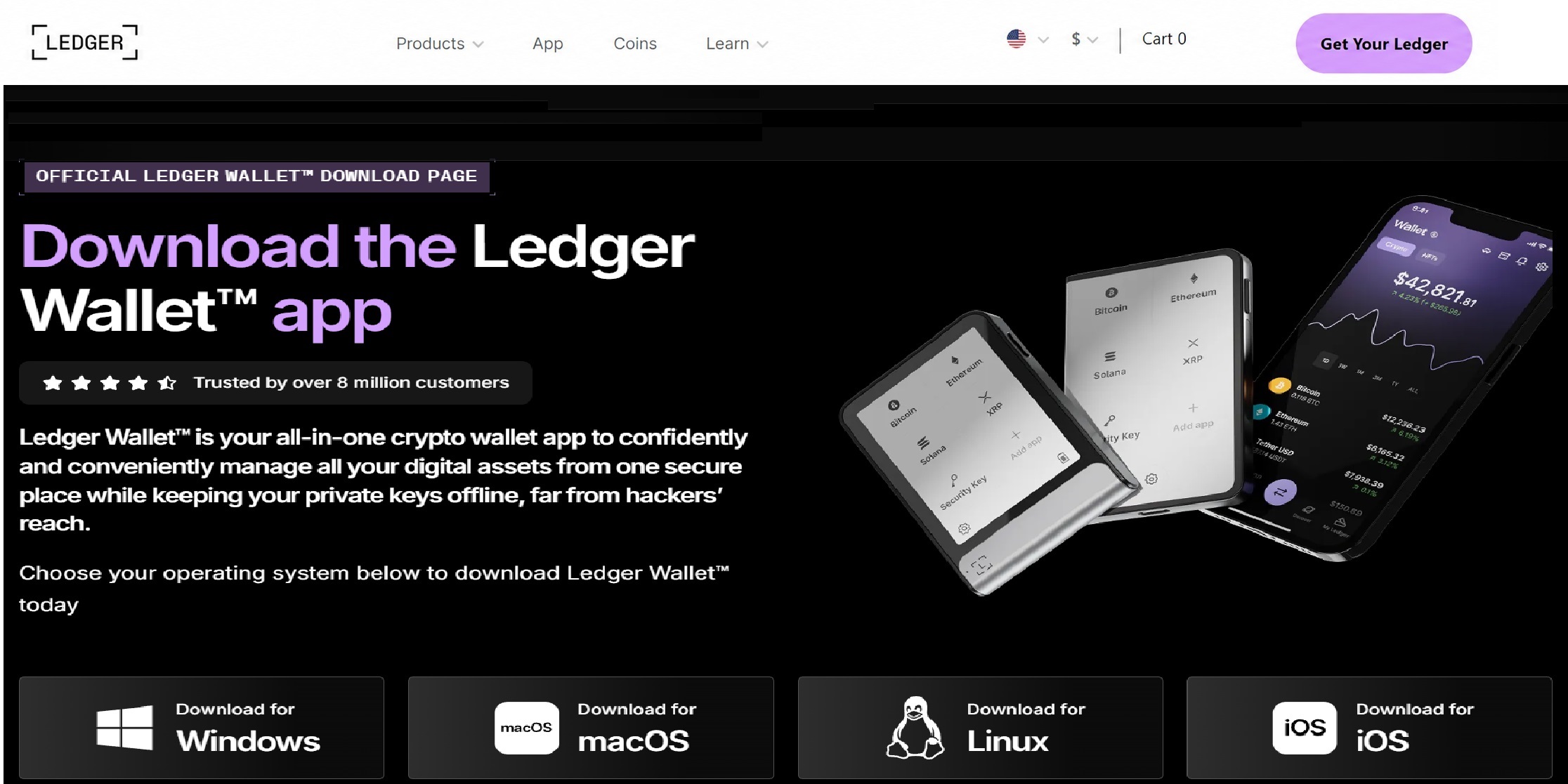
Ledger Live Wallet: Complete Guide to Secure Crypto Management
Managing cryptocurrency requires more than simply holding digital assets. Users need a reliable way to view accounts, monitor balances, review transactions, and interact with supported blockchain networks. The Ledger Live Wallet experience combines companion software with a Ledger hardware wallet to provide an organized environment for managing supported digital assets.
Ledger currently uses the Ledger Wallet name for its companion application, formerly known as Ledger Live. This means users searching for Ledger Live Wallet, Ledger Live App, or Ledger Wallet App may encounter the newer Ledger Wallet terminology across current Ledger resources.
What Is Ledger Live Wallet?
Ledger Live Wallet refers to the software experience used alongside compatible Ledger hardware wallets. It provides an interface for managing supported cryptocurrency accounts while the physical Ledger device performs important security and authorization functions.
The application can help users view account information, monitor portfolio activity, receive supported cryptocurrencies, send transactions, and access other available features.
The exact services available depend on the cryptocurrency, Ledger device, operating system, and current software version.
Ledger Wallet and Ledger Hardware Wallet
The Ledger Wallet application and Ledger hardware wallet have complementary roles.
The software provides the user interface for interacting with accounts and supported assets. The physical Ledger device is designed to protect private keys and participate in the authorization of sensitive transactions.
Understanding this relationship is important for new users. Installing wallet software does not mean that the hardware device is unnecessary. The physical wallet remains an important component of the security model.
Getting Started With the Ledger Live App
Users who previously searched for the “Ledger Live App” may now see Ledger Wallet as the current product name.
To begin, use an official Ledger source to obtain the appropriate application for your supported device and operating system. After installation, connect your Ledger hardware wallet and follow the instructions shown by the software.
Avoid downloading wallet applications from unofficial websites or unknown links.
Set Up Your Ledger Wallet
A new Ledger hardware wallet can require several initialization steps before it is ready for everyday use.
Depending on the model, setup may include:
Connecting the hardware wallet.
Installing or updating firmware.
Creating a device PIN.
Initializing a new wallet.
Recording the recovery information.
Installing required cryptocurrency applications.
Adding supported accounts.
Follow the instructions displayed by the Ledger software and hardware device during each stage.
Protect Your Recovery Phrase
Your recovery phrase is one of the most important pieces of information associated with a Ledger wallet.
Record the recovery information during the official setup process and store it securely offline. Do not save it in screenshots, cloud storage, email, text messages, or ordinary computer files.
Never share the recovery phrase with another person.
If someone asks for your recovery phrase while claiming to provide Ledger support, wallet verification, account recovery, or technical assistance, do not provide it.
Using Ledger Live Wallet to Manage Accounts
After completing the initial setup, the Ledger Wallet application can be used to organize supported cryptocurrency accounts.
Users can typically view balances, review account activity, and access supported transaction features from the application.
For people managing several cryptocurrencies, keeping individual accounts organized can make portfolio monitoring easier.
Always confirm that you are working with the intended cryptocurrency and account before initiating a transaction.
Installing Cryptocurrency Applications
Some cryptocurrencies require an application to be installed on the Ledger hardware wallet.
The Ledger Wallet software provides tools for managing supported applications. Once the appropriate application is installed, users can follow the relevant instructions to add an account.
Available applications and supported cryptocurrencies can change over time, so users should check current Ledger documentation for compatibility information.
Sending Cryptocurrency With Ledger Wallet
Ledger Wallet can provide an interface for sending supported digital assets.
Before approving a transaction, carefully check the destination address, asset, network, amount, and transaction fees.
The physical Ledger device provides another important verification point. Review the transaction information displayed on the hardware wallet before signing.
If the information does not match your intended transaction, do not approve it.
Receiving Cryptocurrency
The Ledger Wallet application can also be used to receive supported digital assets.
Select the appropriate account and verify the receiving address before sharing it with the sender.
For large or important transfers, carefully check the cryptocurrency and network as well as the address. Sending assets using an incompatible network or to an incorrect destination can result in problems that may not be reversible.
Ledger Live Wallet Security
A secure wallet setup depends on both technology and user behavior.
Use Ledger software obtained from legitimate sources.
Keep your hardware wallet physically secure.
Protect your device PIN.
Store recovery information offline.
Never share your recovery phrase.
Do not enter recovery information into websites.
Review transactions on the physical device.
Be cautious of unsolicited wallet-support messages.
Keep supported software and firmware updated through trusted channels.
These practices can help reduce common risks such as phishing and unauthorized wallet access.
Ledger Live Login: Important Information
The term Ledger Live login is often used when users are searching for access to their Ledger wallet. However, a hardware wallet does not work exactly like a traditional online account.
The Ledger Wallet application works with the physical Ledger device, and certain sensitive actions require interaction with the hardware wallet.
Be especially cautious if a website asks for your recovery phrase to complete a Ledger Live login, wallet verification, synchronization, or security check.
Your recovery phrase should remain private.
Avoid Fake Ledger Wallet Websites
Cryptocurrency users should be careful when searching for wallet software online.
Fraudulent websites can copy familiar branding and use phrases such as “Ledger Live Wallet,” “Ledger Live login,” or “wallet verification” to appear legitimate.
Instead of following unexpected links, manually navigate to official Ledger resources when you need software, documentation, or support.
Never enter your recovery phrase simply because a website displays Ledger branding.
Ledger Live Wallet on Desktop
The desktop experience can be useful for users who prefer managing cryptocurrency from a larger computer screen.
A desktop environment provides more space for viewing accounts, reviewing transactions, monitoring balances, and managing supported cryptocurrency applications.
The Ledger hardware wallet remains connected when required for sensitive operations and transaction authorization.
Ledger Wallet App on Mobile
Ledger also provides mobile-oriented wallet functionality for supported devices and platforms.
Mobile access can be convenient when users want to monitor supported accounts away from their primary computer. However, users should continue applying the same security principles regardless of whether they use a desktop or mobile environment.
Always obtain software through legitimate sources and avoid entering confidential recovery information into websites or apps that are not part of the official setup process.
Keeping Your Ledger Wallet Updated
Software and firmware updates can improve compatibility and introduce new functionality or security improvements.
When an update is available, use the Ledger Wallet application or official Ledger resources to determine the appropriate procedure for your device.
Do not install update files received from unknown individuals or suspicious websites.
Follow the instructions carefully and avoid interrupting a firmware operation unless the official instructions specifically tell you to do so.
Ledger Live Wallet for Everyday Portfolio Management
Once configured, Ledger Wallet can provide a centralized interface for supported crypto accounts.
Users can monitor portfolio information, review transaction activity, organize accounts, and access available services from the same software environment.
The hardware wallet remains an important part of the process when a transaction or other sensitive operation requires authorization.
Final Thoughts on Ledger Live Wallet
Ledger Live Wallet is a commonly used search term for the Ledger companion-wallet experience. Ledger now uses Ledger Wallet as the current application name, while many existing users continue to search for terms such as Ledger Live, Ledger Live App, and Ledger Live Wallet.
The combination of Ledger Wallet software and a Ledger hardware wallet provides a structured environment for managing supported cryptocurrency accounts.
For secure use, download software from legitimate Ledger sources, protect your recovery phrase, keep your device secure, and carefully verify every important transaction on the physical hardware wallet before approving it.
Updated about 8 hours ago