
Ledger Live Desktop® — Starting Up Your Device | Ledger
Discover Ledger Live Desktop with useful information about connecting Ledger hardware wallets, viewing account activity, monitoring portfolios, managing apps, and reviewing transactions.
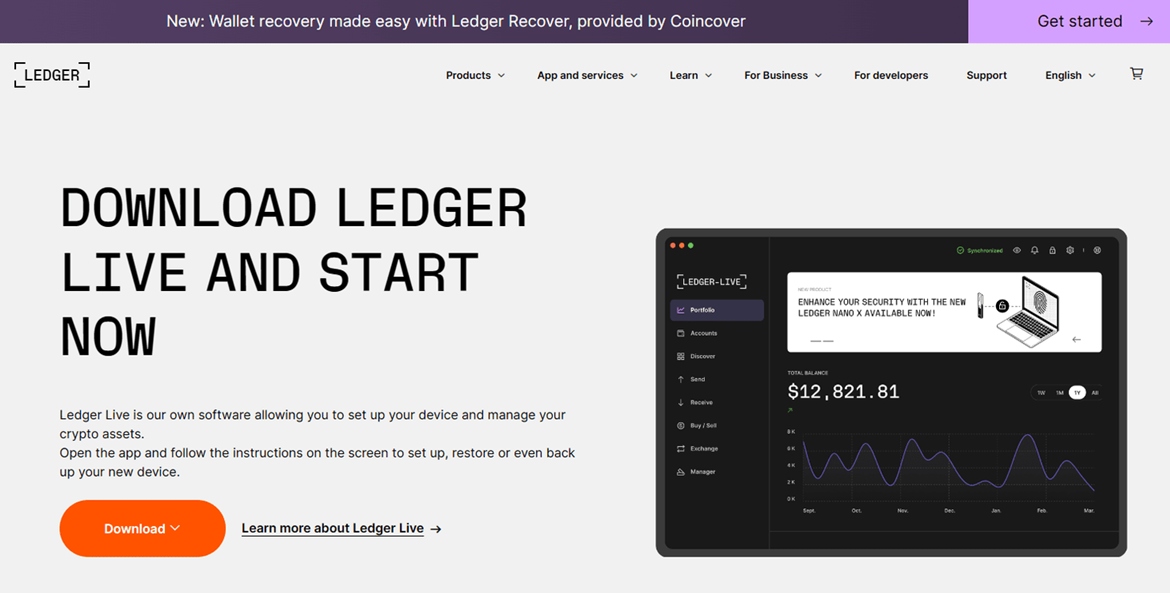
Ledger Live Desktop: Secure Desktop Management for Your Ledger Wallet
Managing digital assets from a desktop computer can provide a convenient way to monitor accounts, review transactions, and organize a cryptocurrency portfolio. Ledger Live Desktop was built as a desktop companion for Ledger hardware wallets, bringing wallet-management features into a single computer-based interface.
Ledger's current product terminology uses Ledger Wallet for its companion application, previously known as Ledger Live. As a result, users searching for Ledger Live Desktop, Ledger Live App, or Ledger Wallet App may encounter the newer Ledger Wallet name when accessing current resources.
Understanding Ledger Live Desktop
Ledger Live Desktop is the desktop-based wallet-management experience associated with compatible Ledger hardware wallets. It allows users to interact with supported cryptocurrency accounts while using their Ledger device for important security operations.
The desktop software and hardware wallet have different roles. The application provides the interface for viewing and managing accounts, while the physical device helps protect private keys and confirm sensitive actions.
This setup allows users to manage their portfolio from a computer without treating the desktop application itself as a replacement for the hardware wallet.
Start With the Official Ledger Software
Before installing Ledger Live Desktop, verify that the software comes from an official Ledger source. Cryptocurrency users should be particularly careful with download pages because fraudulent applications can imitate legitimate wallet software.
Use the current Ledger Wallet software appropriate for your operating system and follow the installation instructions provided by Ledger.
Avoid installers received from unknown contacts, unofficial file-hosting sites, or suspicious advertisements.
Connect a Ledger Hardware Wallet
After installing the desktop application, connect your Ledger hardware wallet using a compatible connection.
The software can guide you through device setup and account-management steps. Depending on the Ledger model and current software, the process may include firmware installation, device verification, PIN configuration, or wallet initialization.
Always pay attention to the information displayed on the physical Ledger device. If a requested action is unexpected, stop and investigate before approving it.
Ledger Wallet App on Desktop
The Ledger Wallet App provides the software environment for interacting with supported Ledger accounts.
Although many users still search for “Ledger Live Desktop” or “Ledger Live App,” Ledger now uses Ledger Wallet as the current application name. The desktop experience remains focused on connecting users with their Ledger hardware wallet and supported cryptocurrency accounts.
The software can make portfolio management easier by bringing account information and transaction tools together.
Adding Accounts to Your Ledger Wallet
After setting up the hardware device, you can add supported cryptocurrency accounts through the desktop application.
The exact process depends on the cryptocurrency and Ledger device. Some assets require a corresponding application to be installed on the hardware wallet before an account can be added.
Follow the instructions presented by the Ledger software and confirm relevant operations on the hardware device.
Viewing Balances and Transactions
Once accounts are configured, Ledger Wallet can provide information about supported balances and transaction activity.
A desktop interface can be useful for users who manage several accounts because it provides more screen space for reviewing portfolio information.
Transaction history can also help users track previous transfers and understand activity associated with individual cryptocurrency accounts.
Available information and features can vary between assets and software versions.
Sending Crypto From Ledger Live Desktop
When sending supported cryptocurrency, Ledger Live Desktop can provide the interface for entering transaction information.
Before approving the transaction, check the recipient address, cryptocurrency, network, amount, and applicable fees. Then compare the relevant information displayed on the physical Ledger device.
The device should not be treated as a formality. Carefully verifying transaction information before signing can help identify mistakes or unexpected changes.
Receiving Crypto Through Ledger Wallet
Receiving cryptocurrency also requires attention to account and address details.
Select the correct cryptocurrency account and carefully verify the receiving address before sharing it with another party.
For significant transfers, take additional time to confirm that the address and network are correct. Sending an asset through an incompatible network or to an incorrect address can create serious problems.
Ledger Live Desktop and Private Keys
One of the main purposes of a Ledger hardware wallet is to keep private keys protected by dedicated hardware.
The desktop application provides a convenient interface, but sensitive authorization is designed to involve the physical Ledger device.
This distinction is important: having wallet software installed on a computer does not mean that the computer itself should be treated as the sole security mechanism for the wallet.
Protect Your Ledger Recovery Information
During wallet initialization, users receive recovery information according to the device's setup process.
This information should be kept private and securely stored offline. Never send it to another person or enter it into an unsolicited website, form, email, or chat.
A request for a recovery phrase during a supposed “Ledger Live login” or account-verification process should be treated as a serious warning sign.
Ledger Live Login and Desktop Access
The phrase “Ledger Live login” can be misleading because Ledger hardware wallets do not simply operate like conventional username-and-password web accounts.
The Ledger Wallet application works together with the physical device. Certain operations require the hardware wallet to be connected and unlocked.
If a website claims that you must provide your recovery phrase to complete a Ledger Live login, wallet synchronization, security check, or account restoration, do not provide it.
Instead, close the page and independently access official Ledger resources.
Keep Ledger Software Updated
Software and firmware updates can introduce improvements, compatibility changes, and security-related fixes.
When updates are available, obtain them through trusted Ledger software or official Ledger resources. Do not use update files supplied through unsolicited messages.
During firmware operations, follow the instructions shown by the Ledger application and hardware device carefully.
Security Practices for Ledger Live Desktop
A secure desktop wallet routine includes several basic habits:
Use official Ledger software.
Keep your recovery information offline.
Never disclose your recovery phrase.
Protect your Ledger device and PIN.
Verify website addresses before downloading software.
Review transaction details on the hardware device.
Do not approve unfamiliar transactions.
Be cautious of unsolicited technical-support messages.
Do not allow another person remote access to your computer for wallet “support” unless you have independently verified the service and understand exactly what is being done.
Why Use a Desktop Wallet Interface?
Desktop wallet software can be practical for users who want a larger interface for portfolio management.
A computer display can make it easier to review multiple accounts, examine transaction activity, manage supported cryptocurrency applications, and organize digital assets.
For Ledger users, the desktop environment also provides a convenient connection between the software interface and the physical hardware wallet.
Ledger Live Desktop for New Ledger Users
A new Ledger user can begin by obtaining the current Ledger Wallet software, connecting the hardware wallet, and following the device-specific setup instructions.
Once the initial configuration is complete, supported cryptocurrency accounts can be added and managed through the desktop interface.
Taking time to understand the difference between the Ledger Wallet App and the physical Ledger device can make the overall wallet experience easier to navigate.
Managing Your Ledger Wallet Over Time
Wallet management does not end after the initial installation.
Continue protecting your recovery information, keep the physical device secure, monitor account activity, and verify transactions before authorization.
If you change computers, replace a device, or restore a wallet, use the official Ledger documentation relevant to your specific model and software version rather than relying on random online instructions.
Final Thoughts on Ledger Live Desktop
Ledger Live Desktop provides a computer-based environment for managing supported cryptocurrency accounts alongside a Ledger hardware wallet. While the name Ledger Live remains widely used in searches, Ledger's current companion application is called Ledger Wallet.
The desktop application can help users monitor accounts, manage supported assets, review transactions, and interact with available wallet features. The Ledger hardware device remains an important part of protecting private keys and authorizing sensitive operations.
For a safer experience, use legitimate Ledger software, keep recovery information confidential, verify transactions directly on the hardware device, and treat unexpected Ledger login or wallet-verification requests with caution.
Updated about 8 hours ago