
Ledger®® Live: Desktop® — Getting Started | official Ledger™
Discover Ledger Live Desktop with useful information about Ledger wallet connectivity, crypto account management, portfolio monitoring, application installation, and secure transaction workflows.
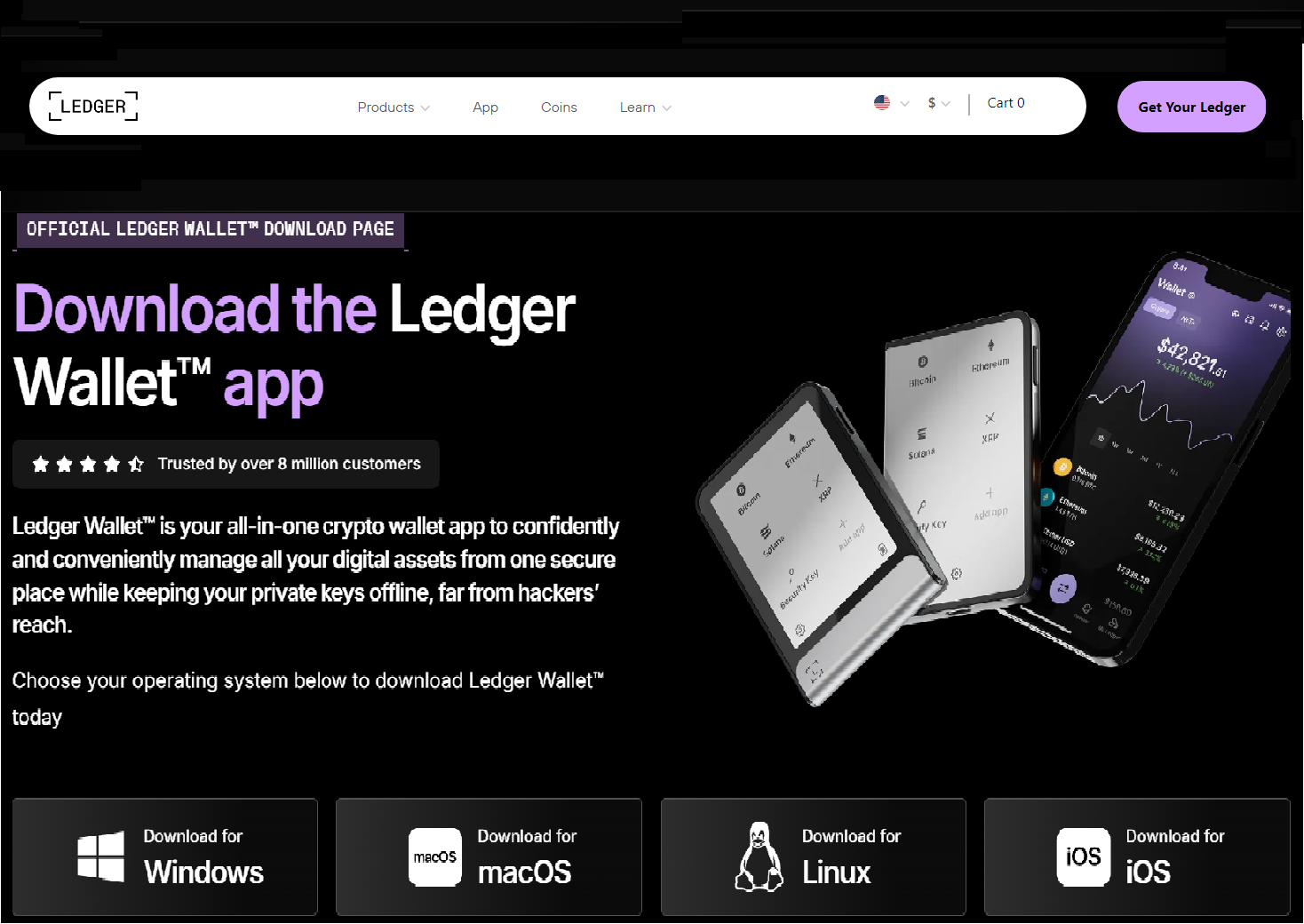
Ledger Live Desktop: Complete Guide to Desktop Crypto Management
Managing cryptocurrency from a computer can be easier when your wallet software provides a clear interface for accounts, transactions, applications, and portfolio information. Ledger Live Desktop was designed as the desktop companion environment for Ledger hardware wallets, allowing users to interact with supported digital assets through a computer while using their Ledger device for important security operations.
Ledger now uses the Ledger Wallet name for its companion application, formerly known as Ledger Live. Users searching for Ledger Live Desktop may therefore encounter current Ledger Wallet terminology when accessing newer Ledger resources.
What Is Ledger Live Desktop?
Ledger Live Desktop refers to the desktop experience used with compatible Ledger hardware wallets. It provides an interface for managing supported cryptocurrency accounts, checking balances, reviewing transaction activity, and accessing available wallet features.
The desktop application is not intended to replace the physical hardware wallet. Instead, the computer software and Ledger device work together. The application provides the interface, while the hardware wallet is involved in protecting private keys and authorizing sensitive operations.
Getting Started With Ledger Live Desktop
Before using Ledger Live Desktop, make sure you have a compatible Ledger hardware wallet and the appropriate connection method for your computer.
Download the current Ledger companion software only from an official Ledger source. Avoid third-party download pages, modified installers, or unexpected links sent through email or social media.
After installing the application, open it and follow the setup instructions provided for your Ledger device.
Connect Your Ledger Hardware Wallet
Connect your Ledger device to the computer and follow the instructions displayed by the Ledger Wallet application.
Depending on the device and software version, the setup process may include device checks, firmware installation, PIN configuration, or wallet initialization.
When the physical Ledger device displays an important action or transaction detail, review the information carefully before confirming it.
Ledger Live Desktop and Ledger Wallet
Users who previously used Ledger Live may notice that Ledger's current terminology uses Ledger Wallet for its companion application.
The underlying concept remains familiar: the desktop application provides tools for interacting with supported crypto accounts, while the hardware wallet provides an additional security layer for private keys and transaction authorization.
This makes the desktop environment useful for users who prefer managing their cryptocurrency accounts from a larger computer screen.
Manage Crypto Accounts From Your Desktop
Once the Ledger hardware wallet is configured, the desktop application can help organize supported cryptocurrency accounts.
Users can generally view account information, check balances, review transaction history, and manage supported assets. Available functionality varies according to the cryptocurrency, device, operating system, and current software version.
Keeping accounts organized can make it easier to monitor multiple supported assets from one desktop interface.
Install Cryptocurrency Applications
Some supported cryptocurrencies require a corresponding application to be installed on the Ledger hardware wallet.
The Ledger desktop software can provide tools for installing and managing these applications. Once the appropriate application is installed, users can follow the on-screen instructions to add the corresponding cryptocurrency account.
Only install applications through legitimate Ledger software and verify that the operation is intended before approving it on your device.
Sending Cryptocurrency With Ledger Live Desktop
Ledger Live Desktop can provide a convenient interface for sending supported cryptocurrency.
Before confirming a transaction, carefully review the recipient address, amount, network, and any applicable transaction information.
The physical Ledger device should be treated as an important verification point. Compare the information displayed on the device with what you intended to send before approving the transaction.
If anything looks unfamiliar or incorrect, do not authorize the transaction.
Receiving Cryptocurrency
The desktop application can also help users receive supported digital assets.
When receiving cryptocurrency, verify the selected account and address before sharing it with the sender. For important transfers, carefully compare the address displayed in the software with the information shown through the Ledger device when applicable.
Cryptocurrency transactions are generally difficult or impossible to reverse once confirmed, so checking details before sending or receiving is an important habit.
Portfolio and Account Monitoring
One benefit of a desktop wallet interface is having a larger workspace for reviewing cryptocurrency accounts.
Ledger's companion software can provide portfolio information and account activity for supported assets. Users can monitor balances and review transactions without needing to navigate multiple unrelated applications.
The exact portfolio features and supported assets can change over time, so users should refer to current Ledger documentation for the latest compatibility information.
Ledger Hardware Wallet Security
Ledger Live Desktop provides the software interface, but the hardware wallet remains central to the security model.
Private keys are intended to remain protected by the Ledger hardware device rather than being exposed directly through the computer. When a transaction requires authorization, the user can review important information on the physical device before confirming it.
This combination of desktop software and dedicated hardware helps separate everyday account management from sensitive transaction authorization.
Ledger Live Desktop Security Tips
Use Ledger software obtained from an official source.
Keep your Ledger hardware wallet physically secure.
Never share your recovery phrase.
Never enter recovery information into a website or desktop application unless the official device setup specifically instructs you to do so.
Do not share your device PIN.
Review transaction details on the hardware wallet before approval.
Be cautious of unexpected messages requesting wallet verification or account recovery.
Keep your software and device firmware updated through trusted sources.
These habits can help reduce the risk of phishing, unauthorized access, and accidental transactions.
Avoid Fake Ledger Desktop Downloads
Searching for Ledger Live Desktop can sometimes produce unofficial download pages or advertisements that imitate legitimate Ledger resources.
A fraudulent application may attempt to collect wallet credentials or recovery information. For this reason, users should independently navigate to Ledger's official website when looking for desktop software.
Never install a wallet application simply because it appears in an advertisement or is recommended by an unknown person.
Ledger Live Desktop for New Users
For someone new to hardware wallets, Ledger Live Desktop can provide a straightforward way to understand account management from a computer.
The initial process generally involves obtaining the official software, connecting the Ledger device, completing initialization, installing required cryptocurrency applications, and adding supported accounts.
After setup, the desktop interface can be used for routine account management while the physical device remains involved in sensitive authorization steps.
Ledger Live Desktop for Everyday Crypto Management
A desktop wallet environment can be particularly useful for users who regularly monitor multiple accounts or prefer managing cryptocurrency from a full-sized computer.
With the Ledger Wallet application, users can access supported account information and transaction tools from one interface. Hardware-based confirmation adds an additional step when sensitive operations need approval.
The available services can differ depending on the asset and platform, so users should check the current Ledger documentation before relying on a particular feature.
Ledger Live Desktop and Secure Transactions
Security should remain part of every transaction workflow.
Before approving a transaction, verify the asset, recipient, network, amount, and other relevant details. Do not rely solely on the computer screen if the Ledger device displays separate confirmation information.
A hardware wallet works most effectively when users actively verify what they are approving rather than treating every software prompt as automatically trustworthy.
Final Thoughts on Ledger Live Desktop
Ledger Live Desktop provides a desktop environment for interacting with supported Ledger hardware wallets and cryptocurrency accounts. The current Ledger Wallet application builds on the functionality users may previously have known as Ledger Live.
From account monitoring and cryptocurrency application management to sending and receiving supported assets, the desktop interface can bring several wallet-management tasks together in one place.
For secure use, download software from trusted Ledger sources, keep recovery information private, verify transaction details on the physical device, and treat unexpected wallet-login or verification requests with caution.
Updated about 9 hours ago